

Yo, folks! As a supplier of Harbour Portal Cranes, I've seen firsthand how software systems can totally revolutionize the performance of these bad boys. In this blog, I'm gonna break down how these software systems work their magic and boost the efficiency, safety, and overall performance of Harbour Portal Cranes.
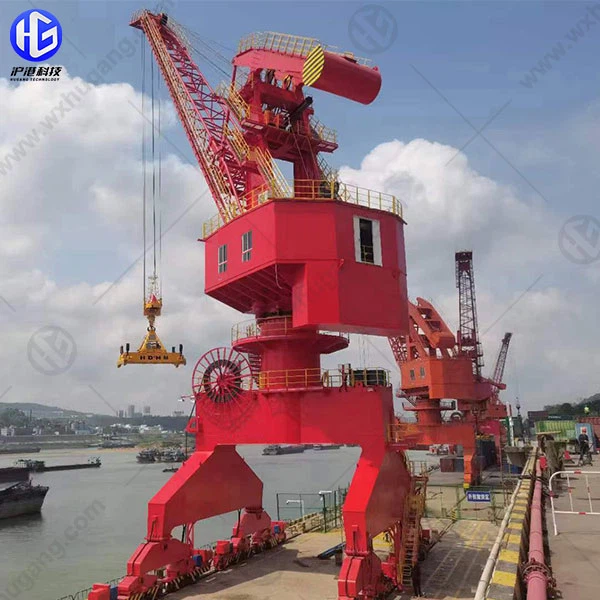
Let's start with the basics. Harbour Portal Cranes are massive machines used in ports to load and unload cargo from ships. They come in different types, like the Rack-Luffing Portal Crane, Level-Luffing Portal Crane, and Single Jib Portal Crane. Each type has its own unique features and functions, but they all share the same goal: to move cargo as quickly and safely as possible.
So, how do software systems fit into the picture? Well, modern software systems are designed to automate and optimize the operation of Harbour Portal Cranes. They use a combination of sensors, algorithms, and real-time data to make the crane more efficient, accurate, and reliable. Here are some of the key ways software systems improve the performance of Harbour Portal Cranes:
1. Automation and Remote Control
One of the biggest advantages of software systems is automation. With the help of advanced algorithms and sensors, software systems can automate many of the tasks that were previously done manually. For example, the software can automatically position the crane over the cargo, adjust the lifting height and angle, and even control the speed of the crane. This not only saves time but also reduces the risk of human error.
In addition to automation, software systems also allow for remote control of the crane. This means that operators can control the crane from a safe distance, using a computer or a mobile device. Remote control is especially useful in dangerous or hard-to-reach areas, such as high winds or rough seas. It also allows for more efficient use of manpower, as one operator can control multiple cranes simultaneously.
2. Load Monitoring and Safety
Another important function of software systems is load monitoring. The software can continuously monitor the weight and position of the cargo being lifted, as well as the stress and strain on the crane's structure. This information is used to ensure that the crane is operating within its safe limits and to prevent overloading, which can cause serious damage to the crane and pose a safety risk to the operators and the surrounding environment.
In addition to load monitoring, software systems also include a variety of safety features, such as collision avoidance systems, anti-tipping systems, and emergency stop buttons. These features help to prevent accidents and ensure the safety of the operators and the cargo.

3. Predictive Maintenance
Software systems can also play a crucial role in predictive maintenance. By collecting and analyzing data from the crane's sensors, the software can detect potential problems before they become serious. For example, the software can monitor the vibration levels of the crane's motors and gears, as well as the temperature and pressure of the hydraulic systems. If the software detects any异常, it can alert the maintenance team, who can then take proactive measures to prevent the problem from occurring.
Predictive maintenance not only helps to reduce downtime and repair costs but also extends the lifespan of the crane. By addressing potential problems early on, the maintenance team can prevent more serious damage from occurring, which can save the company a lot of money in the long run.
4. Data Analytics and Reporting
Finally, software systems can provide valuable data analytics and reporting capabilities. By collecting and analyzing data from the crane's sensors and other sources, the software can generate detailed reports on the crane's performance, including its productivity, efficiency, and safety. These reports can be used by the management team to make informed decisions about the operation of the crane, such as scheduling maintenance, optimizing the crane's settings, and improving the overall efficiency of the port.
In addition to providing valuable insights into the crane's performance, data analytics and reporting can also help to identify areas for improvement. By analyzing the data over time, the management team can identify trends and patterns that can be used to optimize the operation of the crane and improve its overall performance.
So, there you have it, folks! These are just some of the ways that software systems can improve the performance of Harbour Portal Cranes. As a supplier of Harbour Portal Cranes, I'm always looking for ways to incorporate the latest technology into our products to make them more efficient, reliable, and safe. If you're interested in learning more about how our software systems can improve the performance of your Harbour Portal Crane, please don't hesitate to contact us. We'd be happy to answer any questions you may have and to discuss your specific needs and requirements.
In conclusion, software systems are a game-changer for the Harbour Portal Crane industry. They offer a wide range of benefits, including automation, remote control, load monitoring, safety, predictive maintenance, and data analytics. By incorporating these software systems into your Harbour Portal Crane, you can improve its performance, increase its efficiency, and reduce its operating costs. So, if you're in the market for a new Harbour Portal Crane, be sure to look for one that comes with advanced software systems. It'll be worth the investment!
If you're interested in purchasing a Harbour Portal Crane or have any questions about our products and services, feel free to reach out. We're here to help you find the perfect solution for your port operations.
References
- Industry reports on port crane technology advancements
- Technical documentation from leading crane manufacturers