

A port portal crane is an essential piece of equipment in modern port operations, and its hoisting system is the heart of its functionality. As a leading supplier of port portal cranes, I am excited to share insights into how a port portal crane's hoisting system operates.
Basic Components of the Hoisting System
The hoisting system of a port portal crane consists of several key components, each playing a crucial role in the lifting and lowering of heavy loads. These components include the hoist drum, wire ropes, hooks, and the drive mechanism.
The hoist drum is a large cylindrical device around which the wire ropes are wound. It is typically driven by an electric motor or a hydraulic system. The rotation of the hoist drum causes the wire ropes to either wind or unwind, thereby raising or lowering the load. The size and capacity of the hoist drum are designed based on the maximum lifting capacity of the crane.
Wire ropes are the lifelines of the hoisting system. They are made of high - strength steel and are carefully selected to withstand the heavy loads and the harsh operating conditions in a port environment. The wire ropes are threaded through a series of pulleys and sheaves to guide them smoothly between the hoist drum and the hook.
The hook is the component that directly connects to the load. It is designed to be strong and reliable, with a secure locking mechanism to prevent the load from accidentally detaching. Hooks come in various shapes and sizes, depending on the type of load they are intended to lift.
The drive mechanism is responsible for powering the rotation of the hoist drum. In electric - driven hoisting systems, the electric motor converts electrical energy into mechanical energy, which is then transferred to the hoist drum through a series of gears and couplings. Hydraulic - driven systems, on the other hand, use hydraulic fluid to generate the force needed to turn the hoist drum.
Operational Process of the Hoisting System
The operation of the hoisting system can be divided into several steps:
Load Attachment
Before the hoisting process begins, the operator must ensure that the load is properly attached to the hook. This may involve using slings, shackles, or other lifting accessories to secure the load. The operator needs to check the balance and stability of the load to prevent it from shifting during the lifting process.
Hoisting Initiation
Once the load is securely attached, the operator sends a signal to the drive mechanism. In an electric - driven system, the operator activates the motor by turning on the appropriate control switch. The motor starts to rotate, and through the gearbox, the rotational motion is transmitted to the hoist drum. As the hoist drum rotates, the wire ropes start to wind around it, and the hook and the attached load begin to rise.
Lifting and Positioning
As the load is being lifted, the operator carefully monitors the process using the crane's control panel and visual inspection. The operator can adjust the lifting speed and direction as needed to ensure that the load is lifted smoothly and safely. If the crane is equipped with a variable - speed drive, the operator can fine - tune the lifting speed according to the requirements of the operation.
During the lifting process, the operator may also need to move the crane horizontally or vertically to position the load accurately. This is achieved through the coordinated operation of the hoisting system and the crane's traveling and slewing mechanisms.
Lowering the Load
When the load reaches its desired destination, the operator initiates the lowering process. The drive mechanism reverses the rotation of the hoist drum, causing the wire ropes to unwind. The hook and the load gradually descend until they reach the ground or the target surface. The operator must control the lowering speed carefully to prevent the load from hitting the ground too hard.
Safety Considerations in the Hoisting System Operation
Safety is of utmost importance in the operation of a port portal crane's hoisting system. Here are some key safety considerations:
Regular Inspections
The hoisting system components, such as the wire ropes, hooks, and hoist drum, should be inspected regularly for signs of wear, damage, or fatigue. Any worn - out or damaged parts should be replaced immediately to prevent accidents.
Load Capacity Limits
Operators must always adhere to the crane's load capacity limits. Overloading the hoisting system can lead to equipment failure, structural damage, and even catastrophic accidents. The load capacity of the crane is usually indicated on a load chart, which the operator should refer to before each lifting operation.
Operator Training
Proper training is essential for crane operators. They should be familiar with the operation of the hoisting system, safety procedures, and emergency response protocols. Operators should also be trained to recognize and respond to potential safety hazards during the lifting process.
Different Types of Port Portal Cranes and Their Hoisting Systems
There are several types of port portal cranes, each with its own unique hoisting system characteristics.
Rack - Luffing Portal Crane
The Rack - Luffing Portal Crane is known for its ability to handle heavy loads and operate in a relatively small area. Its hoisting system is designed to work in conjunction with the luffing mechanism, which allows the jib to move up and down. The hoist drum is usually located on the crane's superstructure, and the wire ropes are routed through the jib to the hook. This type of crane is often used for loading and unloading bulk cargoes, such as coal and ore.
Single Jib Portal Crane
The Single Jib Portal Crane has a simple and compact design. Its hoisting system is relatively straightforward, with a single hoist drum and a set of wire ropes. This type of crane is suitable for handling smaller loads and is often used in smaller ports or for light - duty operations.
Four Link Portal Harbour Crane
The Four Link Portal Harbour Crane features a unique four - link luffing mechanism, which provides excellent stability and flexibility. The hoisting system of this crane is integrated with the luffing and slewing mechanisms to ensure smooth and efficient operation. It is commonly used for handling general cargoes, containers, and heavy machinery in port areas.

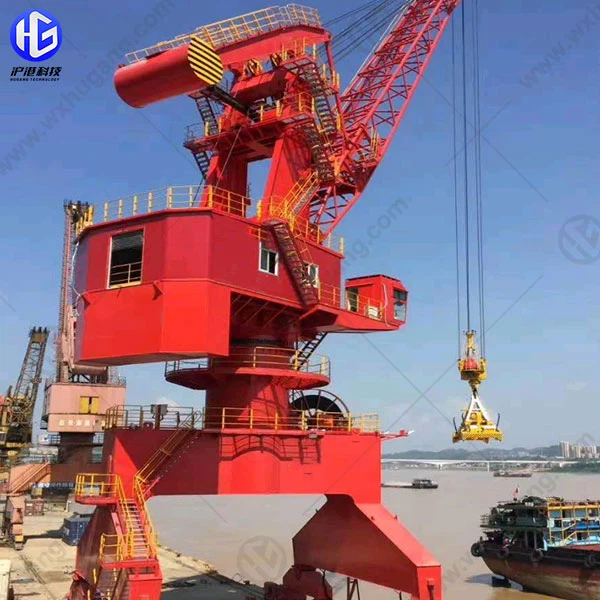
Contact for Purchase and Consultation
If you are in the market for a port portal crane or have any questions about the hoisting system operation, we are here to help. Our team of experts has extensive experience in the design, manufacturing, and installation of port portal cranes. We can provide you with customized solutions based on your specific requirements. Whether you need a large - scale crane for a busy port or a smaller crane for a specialized operation, we have the expertise and resources to meet your needs. Feel free to reach out to us to start a discussion about your port portal crane needs.
References
- American Society of Mechanical Engineers (ASME). (2019). ASME B30.2 - Overhead and Gantry Cranes.
- International Maritime Organization (IMO). (2020). Guidelines for Safe Use of Cranes in Port Operations.
- British Standards Institution (BSI). (2018). BS 7121 - Safety in the Use of Cranes.