

Hey there! I'm a supplier of Harbour Portal Cranes, and I get asked a ton about the maintenance frequency for these beasts. So, let's dive right into it and break down what you need to know.
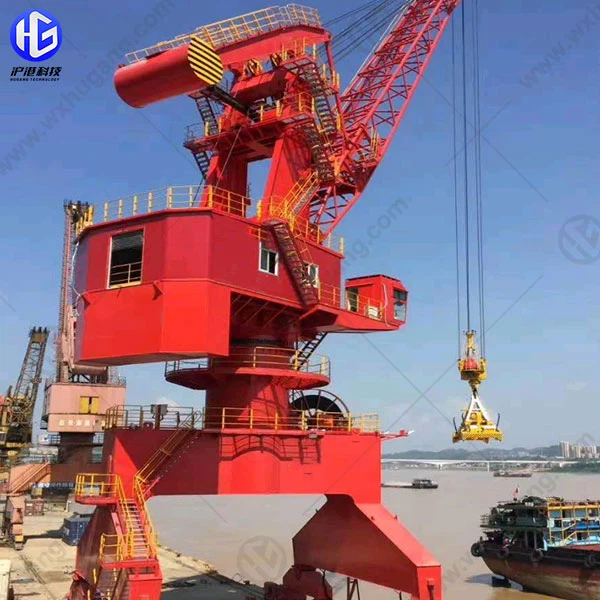

First off, what's a Harbour Portal Crane anyway? It's a heavy - duty machine used in ports and harbors for loading and unloading cargo. These cranes are super important for keeping the shipping industry running smoothly. And just like any other piece of big equipment, they need regular maintenance to work at their best and stay safe.
The maintenance frequency of a Harbour Portal Crane depends on several factors. One of the biggest ones is how often the crane is used. If it's in operation 24/7, of course, it'll need more frequent check - ups compared to a crane that's used only a few days a week.
For a crane that's used intensively, say, for large - scale container handling at a busy port, daily inspections are a must. These daily checks are usually quick and focus on the basic stuff. You'll want to look at things like the crane's structure for any visible damage, check the wire ropes for wear and tear, and make sure the brakes are working properly. It might sound like a lot, but a little bit of daily attention can prevent a big problem later on.
On top of daily inspections, a more in - depth maintenance check should be done weekly. During these weekly checks, technicians can look at the mechanical parts in more detail. For example, they'll check the gears and bearings for proper lubrication. A lack of lubrication can cause excessive friction, which leads to overheating and eventually, equipment failure. They'll also test the electrical systems to ensure there are no loose connections or short - circuits.
Monthly maintenance is also crucial. This is when you take a step back and look at the crane as a whole unit. The hydraulic systems, which are responsible for a lot of the crane's movement, should be thoroughly inspected. Check the fluid levels, look for any leaks, and test the pressure. A malfunctioning hydraulic system can seriously affect the crane's performance and safety.
Every three months, a comprehensive maintenance check should be carried out. This involves taking apart some of the components to inspect them more closely. For example, the hoisting mechanism, which is responsible for lifting and lowering the cargo, will be examined in detail. The pins and bolts will be checked for tightness, and any parts showing signs of wear will need to be replaced.
Once a year, a full - scale overhaul is required. This is like giving the crane a complete physical. All the parts are inspected, repaired, or replaced if necessary. The structure of the crane is carefully examined for any signs of metal fatigue or corrosion. This annual overhaul is essential for ensuring the long - term reliability and safety of the crane.
Now, let's talk about different types of Harbour Portal Cranes and how their maintenance frequencies might vary. We have the Rack - Luffing Portal Crane. This type of crane has a unique luffing mechanism, which means it has some specific components that need extra attention. The rack and pinion system, which is used for the luffing motion, should be inspected more frequently, especially if it's used in demanding conditions.
The Four Link Portal Harbour Crane has a four - link mechanism that provides stability and flexibility. The joints in this four - link system need to be checked regularly for proper alignment and wear. Any misalignment can lead to uneven stress on the crane's structure and affect its performance.
Then there's the Single Jib Portal Crane. The jib of this crane is a critical component. It should be inspected for cracks and deformation, as any issues with the jib can compromise the crane's ability to lift and move cargo safely.
The environment where the crane is located also plays a big role in determining maintenance frequency. If the crane is in a coastal area, it's exposed to saltwater, which can cause corrosion at a faster rate. In this case, more frequent inspections for corrosion and proper coating maintenance are necessary. Similarly, if the crane is in an area with a lot of dust or extreme temperatures, it'll need extra attention to keep it in good working condition.
Another factor is the quality of the crane itself. Higher - quality cranes, like the ones we supply, are built with better materials and more precise manufacturing processes. This means they might require less frequent major repairs, but regular maintenance is still non - negotiable. Cheaper cranes might seem like a good deal at first, but they often end up costing more in the long run due to more frequent breakdowns and repairs.
Proper maintenance not only keeps the crane running smoothly but also has a big impact on safety. A well - maintained crane is less likely to have accidents, which is crucial in a busy port environment where there are lots of workers and valuable cargo.
In addition to the regular maintenance schedule, it's also important to keep detailed records. These records can help you track the history of maintenance, identify recurring problems, and plan for future maintenance needs. They're also useful for compliance with safety regulations and insurance requirements.
So, if you're in the market for a Harbour Portal Crane, or if you already have one and need some advice on maintenance, don't hesitate to reach out. We're here to help you make sure your crane is always in top - notch condition. Whether it's choosing the right type of crane for your needs or setting up a customized maintenance plan, we've got the expertise.
Contact us today to start a conversation about your Harbour Portal Crane requirements and let's work together to keep your operations running smoothly.
References
- Crane Industry Standards Manual
- Harbour Equipment Maintenance Guides